
Some of these include the effect of mass tourism, notwithstanding the effects it has on a destination’s citizens. It’s not always been positively received. In 2017, locals of popular cities Venice and Barcelona even flocked the streets to protest against more tourists. In this piece we consider the different growth models and strategies – and consider what can we learn for the benefit of Greenland.
ICELAND: REACTING TO ENORMOUS SUCCESS
Iceland’s tourism industry has been growing at an impressive rate of 20 – 30 % over the past decade, doubling the number of tourists between 2011 – 2015. There has been discussion that mass tourism has reached Iceland, at least in contrast to what it was in the past.
The unexpected dramatic growth has caused the tourism industry to react with a strategy that develops the shoulder seasons and sets focus on safety, quality and environmental and planning issues, according to an interview with Ólöf Ýrr Atladóttir, Director General of Icelandic Tourist Board on Destination Think.
The Icelandic Tourist Board has also taken it two steps further: tourists can show that they are responsible by signing the Icelandic Pledge, while businesses can participate in a quality and environmental system called Vakinn.
BHUTAN: HIGH IMPACT LOW IMPACT TOURISM
Contrary to popular belief, Bhutan does not limit the number of visitors coming to the country each year. However, due to strict entry requirements for entering including a $200 day tariff and regulated tour operations providing 3 star accommodation, all meals and transportation, the destination does by default prevent a high influx of visitors each year. The Tourism Council of Bhutan’s website says,
“In order to protect our culture, traditions and natural environment the government has adopted a strict policy of “High Value, Low Impact Tourism”. This policy is aimed at attracting discerning tourists that will respect the unique culture and values of the Bhutanese people while also providing the visitors with an unforgettable one of a kind experience.”
COPENHAGEN: THE END OF TOURISM AS WE KNOW IT
In a forward-thinking strategy beyond 2020 titled ‘The End of Tourism As We Know It’, Visit Copenhagen has acknowledged the changes in tourism and their way of approaching their work. They have embraced the new global traveller, the blending of industries, the importance of new data, and the desire for more authentic experiences. Tourism should be an ‘inclusive, comprehensive challenge and open opportunity shared by many’ through creating ‘localhood for everyone’.
Copenhagen has set growth targets which include increasing overnight visitors by ⅓ in the next four years, which amounts to about 17,000,000 bed-nights. This is combined with goals set to ensure that visitor satisfaction levels are equivalent to average satisfaction levels with Northern Europe. Collaborative, people-based growth is what they say is a key to success.
PALAU
Even small destinations are packing a punch. In a world first, Palau is change its immigration laws for the cause of environmental protection. Visitors must sign a passport pledge saying that they will be responsible tourists when visiting the island.
GREENLAND
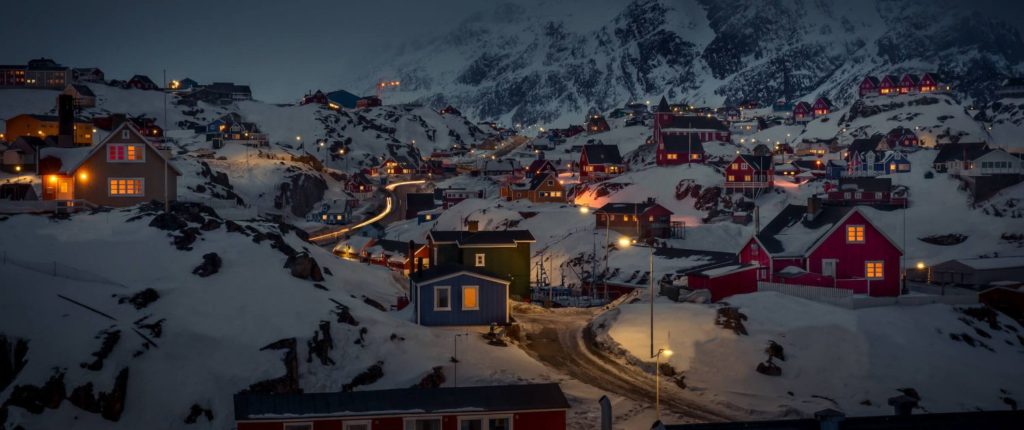
The growth of Greenland’s tourism has been steady, with a 10% increase in overnight visitors over the last couple of years. With about 80,000 both land and cruise based tourists each year, Greenland is getting hotter – but there are natural barriers that prevent it from growing too fast too quickly. Infrastructure, expensive flights, limited accommodation, a need for more qualified locals in the service industry are a few mitigating factors. It is obvious there has been increased political focus on tourism on the domestic front, perhaps due in part to the more realistic expectations of a mining boom in Greenland. Ambitious infrastructure development plans include 3 new airports in Ilulissat, Nuuk and Qaqortoq, and a new harbour in Kangerlussuaq. The mayor of Sermersooq region, where the capital of Nuuk lies, openly called for more focus on service provider and capacity development earlier last year.
Perhaps one can say that Greenland stands in a privileged position in 2018 – it is a relatively undiscovered but an attractive destination, with a chance to shape its development in light of lessons learnt from others. The Greenlandic industry has the choice to develop tourism in a way that they see fit. So the question to ask stakeholders in Greenland is: How do we want to develop tourism in Greenland?