Around the world, millions of people are regularly enjoying seafood originating from the Norwegian coast. But nothing beats the taste and texture of a fish that has just been caught from the cold and clear waters.
Imagine what they would think, the first Norwegian fish exporters of the 12th century, if they were told how the industry would grow in the years to come. The fishermen of yore started modestly by selling a few dried cod and herring to the English, and had no idea that they had just begun a business adventure that would eventually transform the whole country.
The seafood nation
Today, Norway is the second largest seafood exporter in the world, and the equivalent of 37 million meals fetched from Norwegian waters are consumed worldwide each day. So you might have tasted Norwegian seafood already, without knowing it.
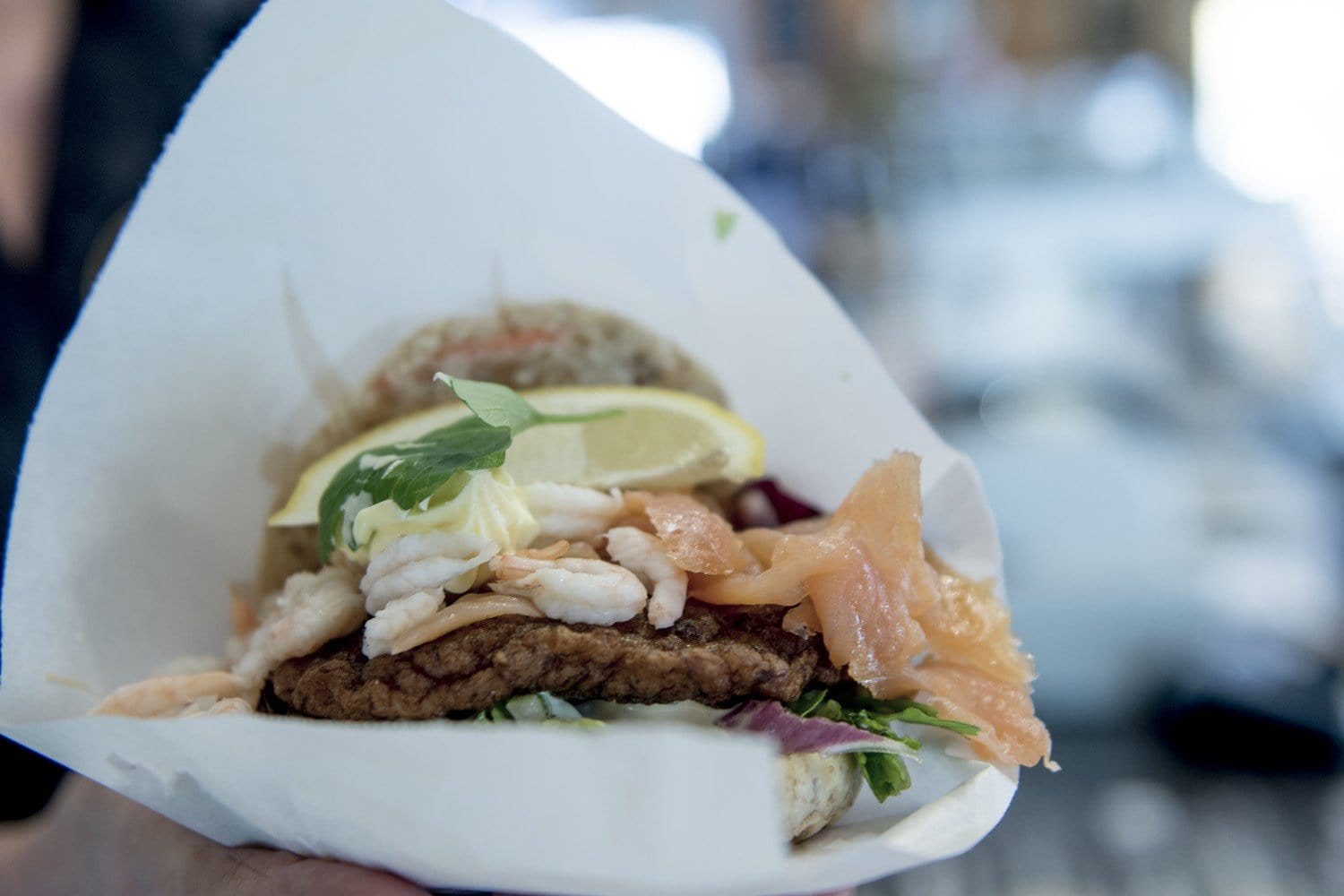
However, to experience our seafood at its finest and freshest, you should visit a Norwegian fish market or a restaurant in one of the coastal towns. At the larger fish markets, you’ll find mussels and scallops, crayfish and crabs in addition to different types of fish.
Further north, you can taste local specialities such as king crab or smoked Arctic char. Or even better – catch your own meal. The “skrei” (spawning cod), for instance, tastes best during winter, when many travellers go to the north to experience the northern lights. Travel to Lofoten in March, and you can experience the World Championship in cod fishing. A massively popular event that is open to all, despite its formal-sounding name.
Ninety percent of all Norwegians live along the coastline, which, if you could stretch it out, would be longer than the equator. The clear and cold waters allow fish, mussels and shellfish to grow more slowly, and the cold air preserves the freshness of the catch.
Served your way
Traditional seafood meals include the famous smoked salmon, smoked trout, and gravlax. “Tørrfisk” (stockfish) was Norway’s largest export article for many years, and is still a source of pride in the northern areas, especially Lofoten. “Rakfisk” (fermented trout) is another traditional dish for the brave, as is “mølje” – cod served with liver and roe – in Northern Norway. Other kinds of seafood are more closely associated with the south of Norway, such as shrimp, crab, and mussels.
The seasonal king of Norwegian cod
The “skrei” (spawning cod) is a unique type of seasonal Norwegian cod that migrates from the Barents Sea to its spawning grounds off Norway’s northern coast.
Only the very best specimens meet the strict criteria to be graded skrei. They must be fully grown (about five years old), and can only be line-caught by small local fishing boats.
The skrei can be landed between January and April, when the seas are ferocious and temperatures freezing. This is an incredibly exciting time for fishermen and fish lovers alike. The skrei’s meaty flesh is bright white, lean, flaky and tender, and like all of Norway’s cod, skrei is sustainably managed and MSC certified. The Norwegian fishing authorities are intent on protecting the species, so regulation is particularly tight.
Fishy feasts at the seafood markets
There are many different ways to buy fresh fish in Norway. Throughout the country there are specialized fish stores, offering good service and a wide selection of seafood.
In addition, many supermarkets and stores have an excellent offering of fish and seafood, and the last few years Norwegians have consumed more fresh than frozen fish and semi-finished products.
The absolute best and freshest seafood, however, can be found in the fish markets. At Ravnkloa Fish market in Trondheim you can buy fresh marinated or smoked fish and eat a hearty lunch at Kroa. In Bergen, fish has been traded since 1276. Today, fresh shellfish and local farm produce is available in abundance at the Bergen fish market. At the fish market in Stavanger, you can get breakfast and dinner made with fresh local ingredients based on the catch of the day.
The gift that keeps on giving
The seafood industry is the backbone of coastal Norway, and is absolutely vital to a lot of local communities.
Norway has through many decades tried to be on the forefront when it comes to developing a good fisheries and aquaculture management, and are working continuously to preserve a sustainable sea life through regulations and incentives in cooperation with the scientific communities.
In the eighties, Norway faced rapidly diminishing fish stocks in the Barents Sea, and had to take action to ensure future generations could enjoy seafood from the cold, clear waters of Norway. Norwegian authorities decided to ban discards, and as a result the stocks recovered.
The Barents Sea, where Norway captures about 93 percent of all its cod, now has the largest growing cod stock in the world.