






























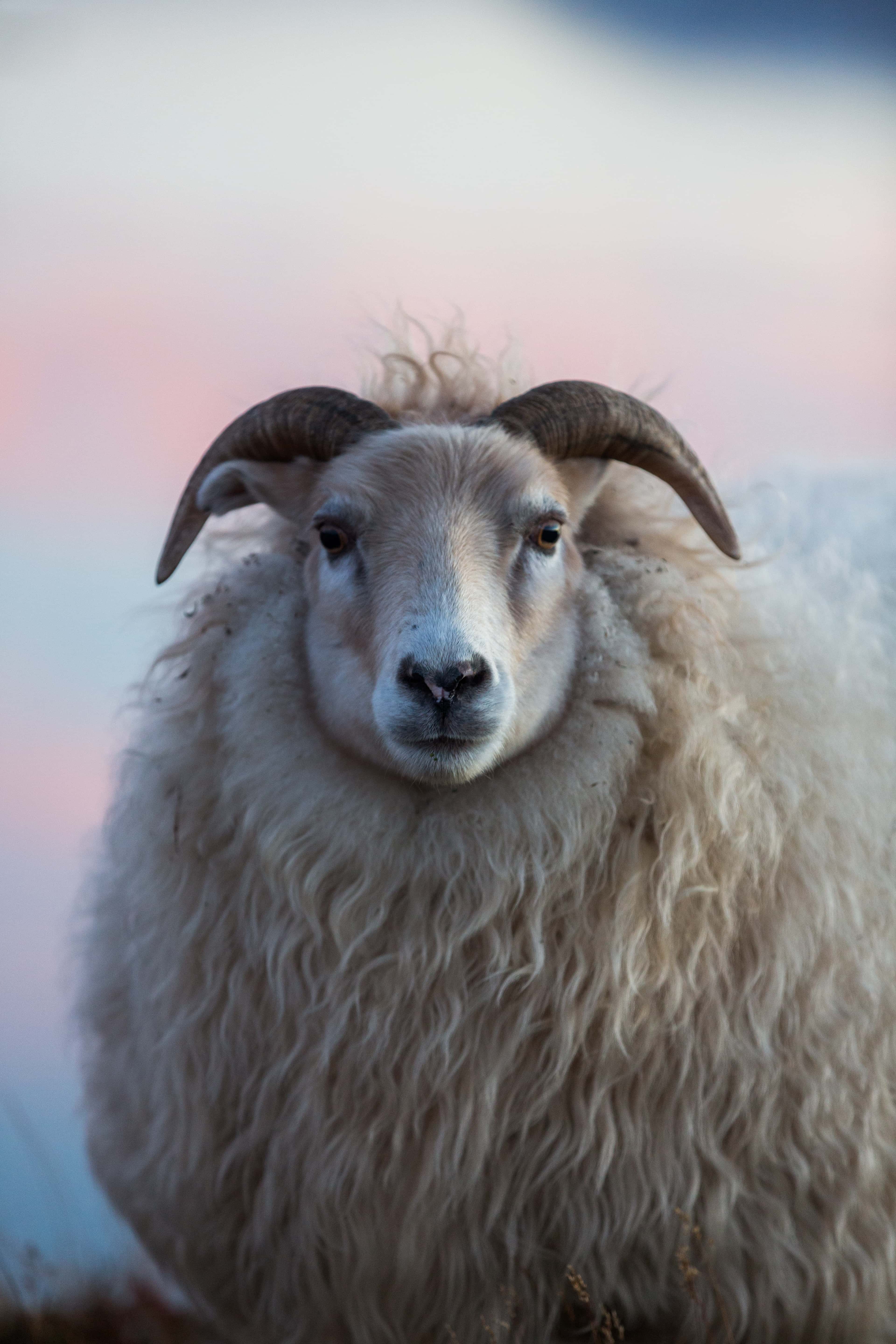
The year was 874, Vikings, rulers of the northern seas, brought cattle to the isolated but generous Iceland. Short-tailed European lambs, to be precise, found a new home on the island and adapted to the extreme weather.
The warm months are heaven for this noble breed; pastures, filled with grasses, sedge, thyme, wild berries, and many other shrubs, feed the lambs as the roam freely on the vast, calm countryside. Free of pollution, noise, and practically any human intervention, the animals develop one of the softest, most flavorful meats in the world.
Fall comes, and it’s time for a national celebration, the réttir: the annual sheep round-up. Singing and dancing, horse riding, and a community spirit fill the air as everyone takes part in honoring the ancestral animals. Sheep are taken to safety and warmth before the winter kicks in. They are processed between August and September, after spending a life out in the open air, grazing free in the most varied pasture in this latitude.
Lambs are four to five months old before being processed. The meat is tender and pure. The herbs and grass flavors shine through the flesh, making it not only a popular protein for Icelanders and visitors but one of the tastiest ingredients in the island’s culinary repertoire.
You see, Iceland may be way up north, in Arctic territories, but warm tropical waters, traveling around the world, create mild conditions through the raising season. Biodiversity is untouched, preserved, in a true northern paradise for roaming cattle.
Everything is used; nothing goes to waste. Traditional black puddings, liver sausages, and fresh organic meat make their way to small eateries and Michelin starred restaurants alike. Even international markets recognize the value of such delicate, flavorful meat. Restaurateurs around the globe go to great lengths to get a piece of Icelandic lamb for their menus.
Sustainability is a priority, preserving the lineage, making sure the ecosystem is balanced. Icelander farmers, butchers, and cooks, they all play a part in this act of love.
Lamb meat can be smoked, cured, or roasted, but it finds its noblest faith in the old recipes; in the traditional, hearty, stews Icelanders prepare to get warm during winter.
Kjötsúpa, or lamb soup, is a familiar, comfortable soup made with lamb meat, potatoes, turnips, rutabaga, and sometimes rice. Local herbs and spices give the final touch, but everyone has its recipe.
101 Reykjavik Street Food, in the country’s capital city Reykjavik, is proud of its lamb soup rendition. Warming, slightly spicy, and full of flavor for the Icelandic lamb meat, the soup is a reminder that simple things matter; that it’s the quality of the ingredients what makes a dish great.
In Iceland, lamb soup is grandma’s soup. The kind of dish that brings people together, that warms you when the weather is harsh, but that also warms you with joy when you share it with the people you love.